

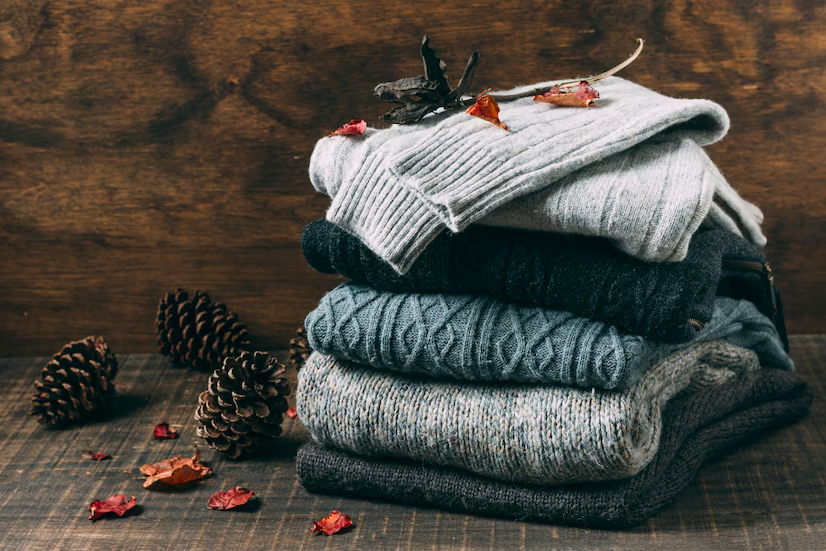
Sweatshirts are a staple in casual wear, offering comfort, style, and versatility. But what exactly is the material used to make sweatshirts? The fabric plays a crucial role in the warmth, softness, and durability of the garment, and the type of fabric used varies depending on the desired look and feel. This article will explore the most common materials used to make sweatshirts, their unique properties, and how to choose the best fabric for different purposes.
Understanding sweatshirt fabric
Sweatshirt material, often referred to as fleece, is a fabric that has evolved from its early days as athletic wear to a fashionable, comfortable choice for everyday clothing. Fleece isn’t just one type of fabric but an umbrella term that covers various materials designed for warmth and comfort. Sweatshirt material typically combines several fibers like cotton, polyester, or spandex to create a fabric that offers softness, warmth, and flexibility.
The most popular fabrics for sweatshirts include:
- Cotton
- Polyester
- Fleece
- French Terry
- Blended Fabrics
- Spandex/Lycra
- Jersey
Each type of fabric has its own characteristics, advantages, and drawbacks, making it important to understand what suits your needs best.
Types of sweatshirt material
1. Cotton
Cotton is one of the most commonly used fabrics in sweatshirts. Known for its softness, breathability, and comfort, cotton provides a natural, lightweight feel. It’s highly absorbent, making it ideal for those who may sweat while wearing the garment. However, cotton sweatshirts might not retain heat as well as synthetic options, which is why cotton is often blended with other fibers to enhance warmth and durability.
Characteristics:
- Soft and breathable: Cotton allows airflow, making it comfortable for everyday wear.
- Moisture absorption: Great for absorbing sweat, though it can become heavy when wet.
- Natural feel: Perfect for sensitive skin as it’s hypoallergenic and gentle.
2. Polyester
Polyester is a synthetic fiber commonly used in sweatshirts due to its durability and moisture-wicking properties. It’s often used in sportswear because it can pull sweat away from the body and dry quickly. While polyester isn’t as breathable as cotton, it holds its shape well, doesn’t shrink, and is resistant to wrinkles. For added comfort, polyester is often blended with cotton or other materials.
Characteristics:
- Moisture-wicking: Helps keep the body dry by moving sweat away from the skin.
- Durable: Strong and long-lasting, resistant to shrinking and stretching.
- Quick-drying: Ideal for activewear and layering during outdoor activities.
3. Fleece
Fleece is one of the warmest materials used in sweatshirts. It’s typically made from polyester fibers, which are brushed to create a soft, fluffy texture that traps heat. Fleece sweatshirts are perfect for colder climates due to their insulating properties. Fleece also has moisture-wicking abilities, similar to polyester, which makes it suitable for outdoor activities.
Characteristics:
- Warmth: Provides excellent insulation and retains heat.
- Lightweight: Despite being warm, fleece is generally light and easy to wear.
- Moisture-wicking: Keeps you dry, which is particularly useful for activewear.
4. French Terry
French terry is a fabric that has a smooth surface on the outside and a looped texture on the inside, making it soft and absorbent. It’s a lighter-weight option compared to fleece, but still offers some warmth. French terry sweatshirts are great for layering and can be worn comfortably throughout the year, especially in transitional weather.
Characteristics:
- Soft: Comfortable against the skin, with a plush texture inside.
- Lightweight: Provides warmth without being overly bulky.
- Breathable: Ideal for mild weather or layering.
5. Blended Fabrics
Many sweatshirts are made from a blend of cotton and polyester or other fibers to balance softness, durability, and breathability. Blended fabrics often offer the best of both worlds: the comfort of cotton with the moisture-wicking and durability of synthetic fibers like polyester. These blends can also reduce the drawbacks of each fabric, such as cotton’s tendency to shrink or polyester’s lack of breathability.
Characteristics:
- Balanced: Provides a good mix of comfort, warmth, and durability.
- Less shrinkage: Blends help minimize the shrinkage often associated with pure cotton.
- Versatile: Suitable for a wide range of uses, from casual wear to activewear.
6. Spandex/Lycra
Spandex, also known as Lycra, is often used in small amounts in sweatshirt fabric blends to add stretch and flexibility. It helps the sweatshirt retain its shape over time and allows for a snug yet comfortable fit. Spandex is typically blended with cotton or polyester to give the garment some elasticity.
Characteristics:
- Stretchy: Adds flexibility and enhances movement.
- Shape retention: Helps the sweatshirt maintain its shape after wear.
- Comfortable fit: Ensures a snug but flexible feel, perfect for activewear.
7. Jersey
Jersey is a lightweight fabric often used in casual sweatshirts. Made from cotton or a cotton blend, jersey is known for its stretch and softness. It’s not as insulating as fleece or polyester, but it’s ideal for lightweight sweatshirts worn in milder weather. Jersey fabric is often used for sweatshirts that prioritize comfort and a relaxed fit.
Characteristics:
- Soft: Smooth to the touch and comfortable for everyday wear.
- Flexible: Has a natural stretch that allows for ease of movement.
- Lightweight: Best suited for casual, warm-weather sweatshirts.
Choosing the right sweatshirt material
When deciding on the right sweatshirt material, it’s essential to consider both the intended use and the weather conditions. For example:
- For colder weather: Opt for fleece or a cotton-polyester blend with insulating properties.
- For mild climates: French terry or jersey fabric offers lightweight comfort.
- For sports and outdoor activities: Polyester or polyester blends with moisture-wicking properties are ideal.
In addition, you should factor in how you’ll care for the sweatshirt. Natural fabrics like cotton may require more delicate washing, while synthetics like polyester are more durable and easier to maintain.
Care and maintenance of sweatshirt fabrics
Each sweatshirt fabric has its own care instructions to ensure longevity:
- Cotton: Machine wash in cold water and tumble dry on low. Be mindful of shrinking with 100% cotton.
- Polyester: Machine wash and tumble dry on low; polyester is resistant to shrinking and wrinkling.
- Fleece: Wash in cold water and avoid high heat drying to maintain its softness.
- French Terry: Machine wash in cold water and tumble dry on low to prevent pilling.
- Blends: Follow the instructions for the predominant fabric, but blends are typically low-maintenance.

Q&A Section
What is the most common material for sweatshirts?
The most common material for sweatshirts is a cotton-polyester blend. This combination balances the softness and breathability of cotton with the durability and moisture-wicking properties of polyester. It’s widely used because it offers comfort, longevity, and versatility, making it suitable for both casual wear and activewear.
What fabric is best for a warm sweatshirt?
Fleece is the best fabric for a warm sweatshirt. Its brushed surface creates a fluffy texture that traps heat, making it highly insulating. Fleece is lightweight yet warm, making it ideal for cold-weather sweatshirts. Blends with polyester or wool can also provide additional warmth and insulation.
Can I machine wash all sweatshirt fabrics?
Most sweatshirt fabrics, including cotton, polyester, and blends, are machine washable. However, always check the care label for specific instructions. Fabrics like fleece should be washed in cold water and dried on low heat to maintain softness. Avoid high heat or harsh detergents that could damage the fabric.
Is French terry better than fleece for sweatshirts?
French terry and fleece serve different purposes. French terry is lighter and more breathable, making it ideal for mild weather or layering. Fleece, on the other hand, is warmer and better suited for cold conditions. The choice between the two depends on your climate and intended use for the sweatshirt.
What fabric should I choose for an athletic sweatshirt?
For an athletic sweatshirt, polyester or a polyester-cotton blend is ideal. Polyester’s moisture-wicking properties keep sweat away from the body, making it perfect for physical activities. Blends with spandex also add flexibility and comfort, ensuring that the sweatshirt moves with you during exercise.
How To Build a Minimalist Wardrobe?
In a world flooded with fast fashion and cluttered closets, the minimalist wardrobe has become a refreshing alternative. It’s not

How to Create a Signature Look?
In a world overwhelmed with fast fashion, fleeting trends, and influencers setting new rules every week, establishing a signature look

Minimalist Fashion for Men
In a world driven by trends and consumerism, minimalist fashion has emerged as a bold yet quiet rebellion. For men,

Cotton vs polyester t-shirts
When shopping for t-shirts, one of the first choices you’ll face is the fabric — often cotton or polyester (or